How Often Should You Test Private Well Water?
How often should you test private well water?
In the United States, the Centers for Disease Control and Prevention (CDC) says to test private well water at least once each year for total coliform bacteria, nitrates, total dissolved solids, and pH. Ask the local health or environmental department which additional contaminants matter locally, and use a state-certified laboratory. Certain events call for another test rather than waiting for the annual date.
This is general U.S. guidance. A certified laboratory and the relevant local authority determine the appropriate panel, sampling instructions, and response for a particular well.
Use the annual baseline as a floor
The CDC well-testing guideline names four annual checks:
- total coliform bacteria;
- nitrates;
- total dissolved solids;
- pH.
CDC also says to ask the local health or environmental department about other germs or chemicals of concern. The correct additions depend on the well's location, surrounding land use, regional geology, and known local issues. A long generic panel is not automatically the right panel.
Test again when the situation changes
Do not wait for the next anniversary when new evidence changes the question. CDC lists several reasons for additional testing:
- a notice about well-water problems in the area;
- flooding, land disturbance, or a nearby waste-disposal issue;
- repair or replacement of part of the well system;
- a change in the water's taste, color, or smell;
- pregnancy in the household;
- a child beginning to live in the home.
These are triggers to contact the local authority and arrange the appropriate test. They are not a do-it-yourself diagnostic list. Clear water without odor does not establish safety, and a change does not identify a contaminant. If the well is or may be contaminated, CDC says not to drink the water and to use bottled water or another safe source while following the health department's instructions through treatment and retesting.
Use a certified drinking-water laboratory
CDC says to use a state-certified laboratory. The U.S. Environmental Protection Agency laboratory directory links state certification programs and explains that private-well households can contact the state program or a certified laboratory.
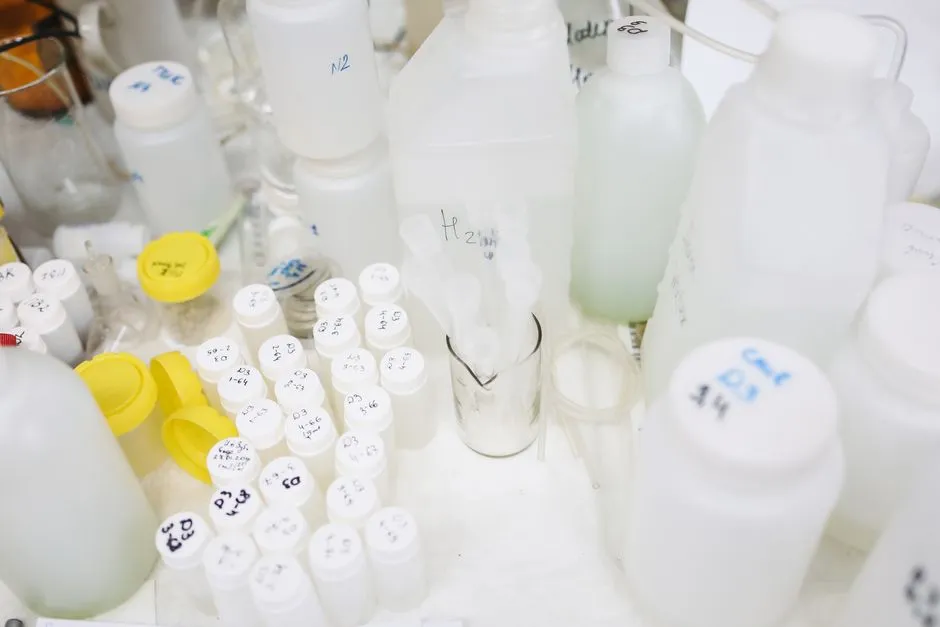
Ask the chosen laboratory for the exact container, collection point, preservation, delivery window, and paperwork for each test. Do not reuse an ordinary jar or transfer a sample between containers unless the laboratory directs it. Good sampling cannot be reconstructed after the sample arrives.
Keep the report with the well's service record. Record the sampling location and date, the laboratory, analyte names, results, units, and any reporting limits. This makes later comparisons possible without relying on memory.
Read the result with the right authority
A number on a report needs its units, method, and applicable comparison value. CDC says local health or environmental departments can help interpret results and decide what happens next.
If harmful germs or chemicals are found, CDC advises considering bottled water or another safe source and contacting the local authority. Follow its contaminant-specific instructions. Do not select a filter, disinfection method, or well repair from a generic article; the right response depends on what was found, at what concentration, and why it is present.
Private wells and public water follow different systems
CDC explains that federal public-water rules do not regulate, treat, or monitor tap water from privately owned wells. Well owners are therefore responsible for testing, while local government can still provide guidance and laboratory routes.
That distinction does not mean local rules never apply. Well construction, real-estate transfers, rental housing, testing, and reporting duties can vary by jurisdiction. Check the current local health, environmental, and building authorities rather than assuming one national process.
Put the result in groundwater context
A well draws from a local groundwater system, but an aquifer label cannot establish water safety. Our guide to what an aquifer is explains storage, recharge, and pumping without turning geology into a laboratory result. The Aquifers & Flow section provides that system context.
The practical record is simpler: test at least annually, test again after a relevant change, use a certified laboratory, and keep the exact report. Questions about what to test and what a result means go to the local authority.
Sources
- CDC, Guidelines for Testing Well Water — updated July 1, 2024; supports the annual four-part baseline, event triggers, certified-laboratory route, and local interpretation.
- EPA, Contact Information for Certified Drinking-Water Laboratories — updated August 11, 2026; supports the state certification-program and laboratory route for private wells.
- CDC, Well Water Safety — updated July 2024; supports private-well responsibility and the annual maintenance context.